The Importance of Phone Gimbals in Modern Filmmaking
In the dynamic world of video production, stability is paramount. Phone gimbals have emerged as essential tools for both amateur creators and professional filmmakers alike, allowing for smooth, cinematic shots that bring your storytelling to life. With the rise of social media platforms and the demand for high-quality video content, understanding how to utilize these sophisticated devices is crucial. Not only do gimbals enhance the aesthetic quality of videos, but they also improve the overall viewer experience by eliminating jitter and creating seamless transitions. When exploring options, phone gimbal technology provides comprehensive insights on maximizing your shooting potential.
Understanding Gimbal Technology Basics
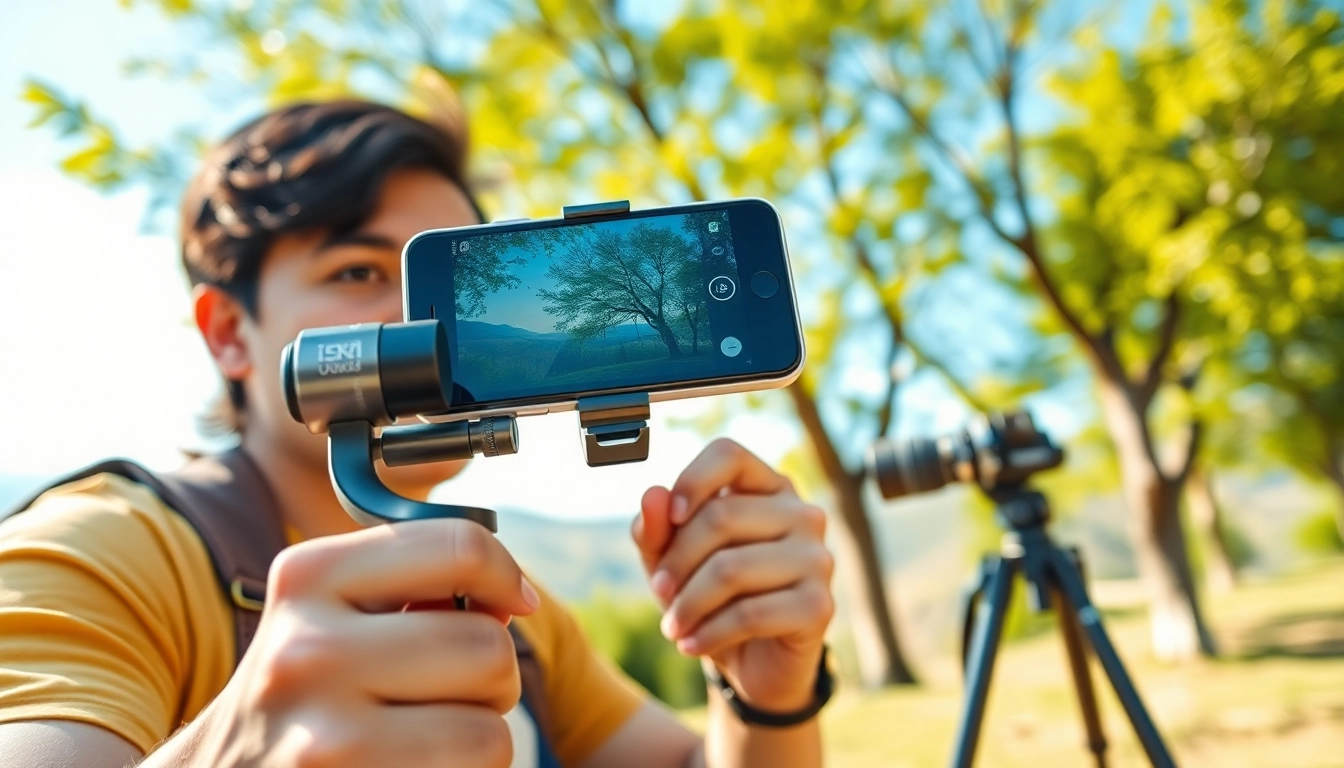
A gimbal is a pivoted support that allows the rotation of an object about a single axis. In the context of smartphone videography, a three-axis gimbal stabilizer is designed to counteract the three degrees of motion: tilt, pan, and roll. This technology enables filmmakers to produce smooth footage even while on the move.
Modern phone gimbals typically include motorized components that adjust in real-time according to the movement of the user, creating a steady shot irrespective of how unsteady the ground might be. The core technology relies on gyroscopes and accelerometers to measure the phone’s movements continuously, making adjustments that stabilize the image.
Benefits of Using a Phone Gimbal for Videography
Using a phone gimbal offers a multitude of benefits that can significantly enhance the quality of your videography:
- Smoother Footage: Gimbals mitigate unwanted vibrations and shakes, yielding a professional-quality video that rivals that of expensive camera rigs.
- Versatility: Whether you're shooting a concert, a wedding, or a documentary, gimbals are adaptable for various settings and shooting styles.
- Creative Angles: Gimbals allow for dynamic shots, including low-angle tracking shots and high pans, broadening your creative possibilities.
- Lightweight and Portable: Compared to traditional camera stabilizers, phone gimbals are often compact and easy to carry, making them ideal for on-the-go filmmakers.
Common Misconceptions About Gimbals
Despite their popularity, several misconceptions persist about phone gimbals:
- Gimbals are only for professionals: Many think these tools are unnecessary for casual videography, but even casual users can benefit from their stabilization.
- Gimbals are difficult to operate: While there is a learning curve, most gimbals are designed with user-friendly controls and tutorials to ease the transition.
- Gimbals are expensive: There is a range of options available, catering to different budgets without sacrificing essential features.
Choosing the Right Phone Gimbal for Your Needs
With so many options available in the market, selecting the right gimbal can be overwhelming. Here are essential aspects to consider when making your choice.
Key Features to Consider When Selecting a Gimbal
When shopping for a phone gimbal, evaluate the following features:
- Stabilization Type: Look for 3-axis gimbals for maximum stability. Some models also feature advanced algorithms for enhanced stabilization.
- Battery Life: Longer battery life is essential for extended shooting periods. Many gimbals offer up to 12 hours of operation.
- Payload Capacity: Ensure your chosen gimbal can handle the weight of your smartphone, especially if using additional accessories.
- App Support: Many gimbals come with apps that offer advanced features like tracking modes, time-lapse settings, and editing tools.
Top Gimbal Brands and Their Unique Offerings
Several brands dominate the gimbal market, each offering unique features:
- DJI: Known for its Osmo series, DJI gimbals are popular for their reliability and ease of use, coupled with high-quality app support.
- Hohem: This brand offers budget-friendly options without sacrificing essential features, perfect for beginners.
- Insta360: Their gimbals are renowned for integrating AI-powered tracking technology, ideal for action shots or vlogging.
Budget vs. Premium: Is it Worth the Investment?
When considering whether to invest in a budget or premium gimbal, weigh the following:
- Usage Intent: If you plan to shoot professionally, a premium model will provide advanced features and durability.
- Quality of Construction: Higher-end gimbals often use more robust materials and deliver better stabilization.
- Longevity: A good investment can lead to better resale value and long-term satisfaction.
Mastering the Use of Phone Gimbals
Once you’ve selected a gimbal, mastering its use is the next step. Understanding best practices ensures you maximize its potential.
Best Practices for Stabilized Shooting
To achieve optimal results with your gimbal, follow these best practices:
- Calibrate Properly: Always calibrate your gimbal before use to ensure proper balance and functionality.
- Use Smooth Movements: Move slowly and smoothly to avoid sudden jolts that can disrupt the stabilization.
- Frame Your Shots: Plan your shots in advance, taking advantage of the gimbal’s ability to create dynamic angles.
Innovative Techniques for Creative Filmmaking
To elevate your filmmaking, consider integrating these innovative techniques:
- Whip Pan Transitions: Create dynamic transitions by quickly panning the gimbal between shots.
- Low-Focus Shots: Experiment with low angles to add drama and depth to your scenes.
- Timelapse and Hyperlapse: Use your gimbal to create smooth timelapse or hyperlapse videos by setting it to slow-moving modes.
Avoiding Common Mistakes When Using a Gimbal
Even experienced videographers can fall into traps when using gimbals. Avoid these common pitfalls:
- Neglecting Battery Life: Always monitor your battery levels to avoid unexpected shutdowns during critical shoots.
- Ignoring Environmental Factors: Be aware of how wind or uneven terrain can affect stability and adapt accordingly.
- Not Utilizing App Features: Explore your gimbal's app to unlock additional features that can enhance your shooting experience.
Real-World Applications and Case Studies
The versatility of gimbals has led to their adoption across various creative fields. Here are some notable applications:
Successful Filmmakers and Their Gimbal Gear
Many filmmakers attribute their success to the use of gimbal technology. For example, director Alex Stone emphasizes how gimbals have enabled him to capture stunning action sequences effortlessly. His go-to gimbal, the DJI Osmo Mobile 7, allows for smooth tracking shots that enhance the storytelling in his short films.
Different Genres: How Gimbals Enhance Storytelling
From vlogs to short films, gimbals enhance storytelling by providing a polished look. In travel vlogs, for instance, creators can capture scenic shots without the distracting shake of handheld filming. Moreover, in the action genre, gimbals allow filmmakers to incorporate dynamic movement that draws audiences into the experience.
Influences of Social Media on Gimbal Usage Trends
The rise of platforms like Instagram and TikTok has led to a surge in gimbal usage, as creators strive for high-quality content that stands out. This trend is shaping the development of gimbals, leading manufacturers to integrate features specifically tailored for social media content creation.
The Future of Phone Gimbals: Trends and Predictions for 2025
As technology evolves, so do the features and capabilities of phone gimbals. Here are key trends shaping the future:
Emerging Technologies and Their Impact on Gimbals
In the coming years, expect advancements such as:
- AI Integration: More gimbals will likely incorporate AI for enhanced tracking and automatic adjustments based on shooting conditions.
- Compact Designs: As technology miniaturizes, we can anticipate even smaller, lighter gimbals with improved stabilization capabilities.
- Increased Connectivity: Seamless connectivity with smartphones and drones will be a significant trend, expanding the creative potential of gimbal users.
Consumer Preferences and Market Predictions
Market analysts predict a continued upward trend in gimbal sales, driven by the growing demand for high-quality video content. Consumers are increasingly looking for models that offer both affordability and advanced features, leading brands to innovate rapidly.
How to Stay Ahead in the Phone Gimbal Landscape
To remain competitive in this fast-paced environment, creators should:
- Stay Informed: Keep up with the latest gimbal technologies and industry trends to make informed purchasing decisions.
- Experiment Creatively: Don’t be afraid to explore new shooting techniques and styles that leverage your gimbal’s capabilities.
- Engage with the Community: Join forums and social media groups to share experiences, tips, and insights with fellow creators.