Overview of the Mount Everest Base Camp Trek
The Mount Everest Base Camp Trek (EBC Trek) is more than just a journey; it's a pilgrimage into the heart of the Himalayas that every trekking enthusiast dreams of experiencing. Towering at an altitude of 5,364 meters (17,598 feet), it serves as the doorway to the world's highest peak, Mount Everest. This trek not only challenges your physical limits but also immerses you in the rich tapestry of Sherpa culture, breathtaking landscapes, and awe-inspiring views of the majestic peaks surrounding the Khumbu region. For those eager to explore the intricacies and prepare adequately, the mount Everest base camp trek offers comprehensive insights and a robust itinerary that caters to a variety of adventurers, from beginners to seasoned trekkers.
Introduction to the Trek
The EBC Trek is recognized as one of the most iconic trekking routes in the world. It takes you through lush valleys, charming Sherpa villages, and rugged mountain paths. The trek commences with a thrilling flight to Lukla, where the adventure truly begins. Over the course of approximately 14 days, trekkers traverse through diverse terrains, witness the changing landscapes, and undergo acclimatization to adapt to the thin air of high altitudes. Each day presents a new challenge and a chance to appreciate the natural beauty surrounding you.
Historical Significance and Cultural Insights
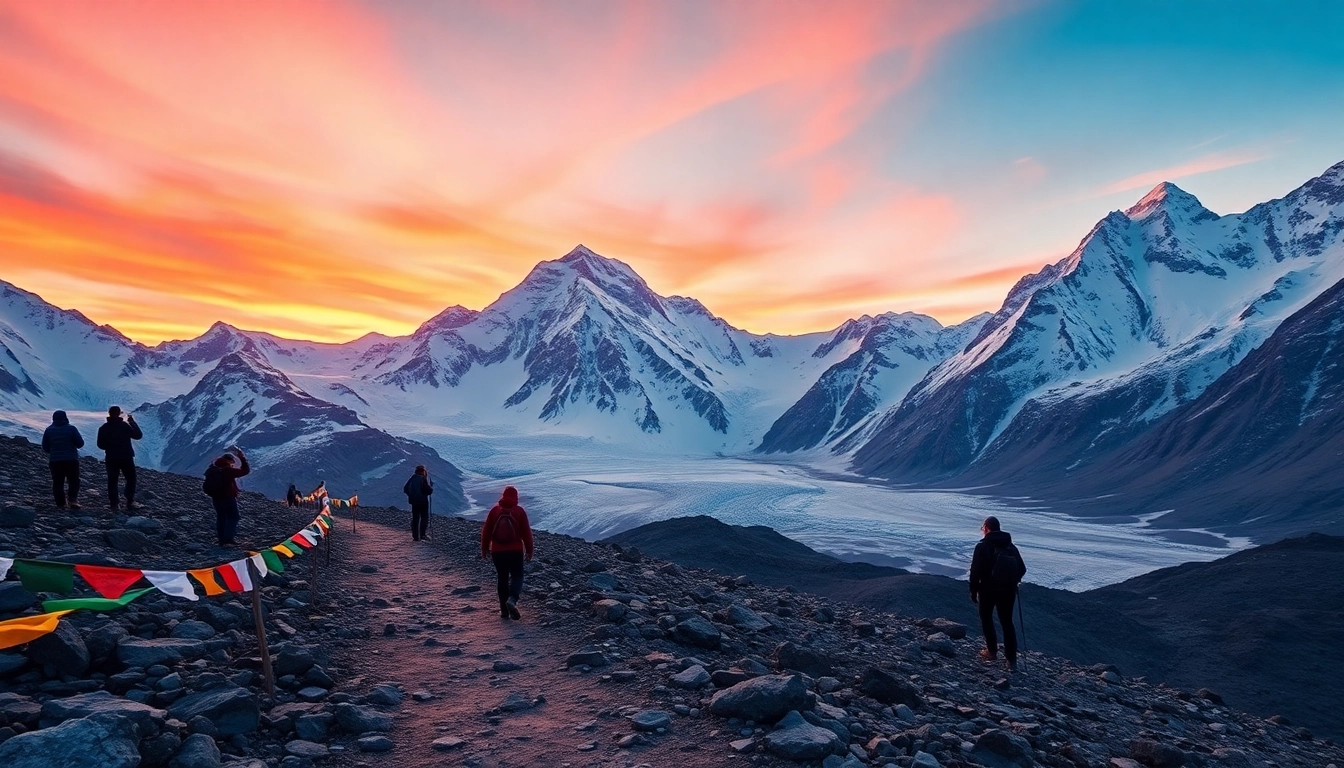
This trek is laden with history, as it follows routes pioneered by climbers and adventurers who first sought to reach the summit of Everest. The influence of Sherpa culture is omnipresent, from the colorful prayer flags that line the paths to the majestic monasteries perched on high cliffs. Visitors have the opportunity to interact with the Sherpa people, discover their unique way of life, and gain insights into their spiritual beliefs which are deeply intertwined with the mountains.
Physical Requirements and Preparation
While the EBC Trek does not require technical climbing skills, it mandates a good level of physical fitness. Trekkers should prepare by engaging in regular cardiovascular exercises, strength training, and practice hikes to build endurance. Recognizing the signs of altitude sickness and understanding how to manage acclimatization days is vital for a safe experience. Being mentally prepared for the physical demands of this trek will enhance your journey substantially.
Detailed Itinerary for a 14-Day Trek
The itinerary is meticulously crafted to balance trekking challenges with sufficient acclimatization to ensure safety and enjoyment. Each day is designed to provide not just a physical goal but also opportunities to take in the stunning views and vibrant culture that surrounds you.
Day-by-Day Breakdown
- Day 1: Arrival in Kathmandu and transfer to your hotel.
- Day 2: Fly to Lukla and trek to Phakding.
- Day 3: Trek from Phakding to Namche Bazaar.
- Day 4: Acclimatization day in Namche, including a hike to the Hotel Everest View.
- Day 5: Trek from Namche to Tengboche.
- Day 6: Trek from Tengboche to Dingboche.
- Day 7: Acclimatization hike to Nangkartsang Peak.
- Day 8: Trek from Dingboche to Lobuche.
- Day 9: Trek to Everest Base Camp and return to Gorak Shep.
- Day 10: Sunrise hike to Kala Patthar and descend to Pheriche.
- Day 11: Trek from Pheriche to Namche Bazaar.
- Day 12: Trek back to Lukla.
- Day 13: Fly to Kathmandu or Manthali.
- Day 14: Departure from Kathmandu.
Acclimatization Strategy and High-Altitude Safety
Acclimatization is key to a successful trek. Proper acclimatization days are built into the itinerary to help your body adjust to the elevation. On these days, trekkers engage in shorter hikes to higher altitudes before descending back to a lower elevation for rest. It's essential to stay hydrated, eat well, and listen to your body, recognizing symptoms of altitude sickness early.
Key Highlights of Each Day
From the bustling markets of Namche Bazaar to the breathtaking views of Everest from Kala Patthar, each day of the trek is packed with stunning scenery and cultural experiences. Unique moments like visiting the Tengboche Monastery, witnessing traditional Sherpa celebrations, and standing at the foot of the Khumbu Glacier can turn a simple trek into an unforgettable journey.
What to Pack for the Everest Base Camp Journey
Packing for the EBC Trek requires careful consideration of the weather, duration, and personal needs. The right gear can make a significant difference in your trekking experience.
Essential Gear and Clothing
Layering is crucial in the diverse weather conditions of the Himalayas. Essential items include:
- Waterproof trekking boots
- Warm layers (fleece, down jackets)
- Thermal base layers
- Waterproof jacket and pants
- Hiking poles
- A good-quality sleeping bag rated for cold weather
- Personal hygiene items
- Sun protection (sunscreen, sunglasses, hat)
Food and Water Considerations
Staying hydrated is essential during the trek. While teahouses provide meals, carrying snacks like energy bars, nuts, and dried fruits is advisable. Boiled or purified water should be consumed to avoid waterborne illnesses. It's best to carry a refillable water bottle and purification tablets for safety.
First Aid Kits and Emergency Supplies
Having a well-stocked first aid kit is essential. Include medications for altitude sickness, pain relief, adhesive bandages, antiseptic wipes, and any personal medications you may need. A portable altitude chamber can be a lifesaver in emergencies, along with knowledge of its use.
Cost Breakdown and Financial Planning
Understanding the financial aspects of your trek is crucial for proper budgeting and ensuring a hassle-free experience.
Understanding Trek Fees and Packages
The cost of the Everest Base Camp trek varies significantly based on the package chosen, ranging from basic options to luxury experiences. On average, trekking packages can cost between $1,500 to $4,500, depending on the level of service, accommodation type, and included amenities.
Daily Budgeting for the Trek
Trekkers should plan for daily expenses, which generally include meals, tips for guides and porters, and any additional services such as hot showers or Wi-Fi. An additional budget of around $15-$20 per day is typically sufficient for snacks and beverages along the trek.
Insurance and Emergency Fund Allocation
Travel insurance is a non-negotiable aspect of any trekking adventure, especially at high altitudes. Ensure your policy covers emergency evacuation, medical expenses, and trip cancellations. Set aside an emergency fund to cover unexpected costs, such as helicopter evacuations in case of flight cancellations to/from Lukla.
Tips for a Successful Everest Base Camp Trek
Equipping yourself with knowledge and strategies can significantly enhance your trekking experience. Here are vital tips to help you along the way.
Common Pitfalls and How to Avoid Them
Many trekkers underestimate the importance of acclimatization and overestimate their fitness levels. Avoid rushing through the trek, and prioritize taking your time to adjust to the altitude. Lack of preparation can lead to serious health risks.
Best Practices for Physical and Mental Preparedness
Focus on conditioning your body with a training regimen that emphasizes cardio and strength. Mental preparedness is equally critical; equip yourself with knowledge about potential challenges, and develop a positive mindset to tackle them head-on.
Future Trends in Trekking and Adventure Travel
The advent of sustainable trekking practices is redefining how we experience high-altitude adventures. Expect to see increased emphasis on eco-friendly practices, local community involvement, and enhanced technology for safety and navigation in the coming years.