Understanding the Concept of a Sunroom
Definition and Purpose of Sunroom
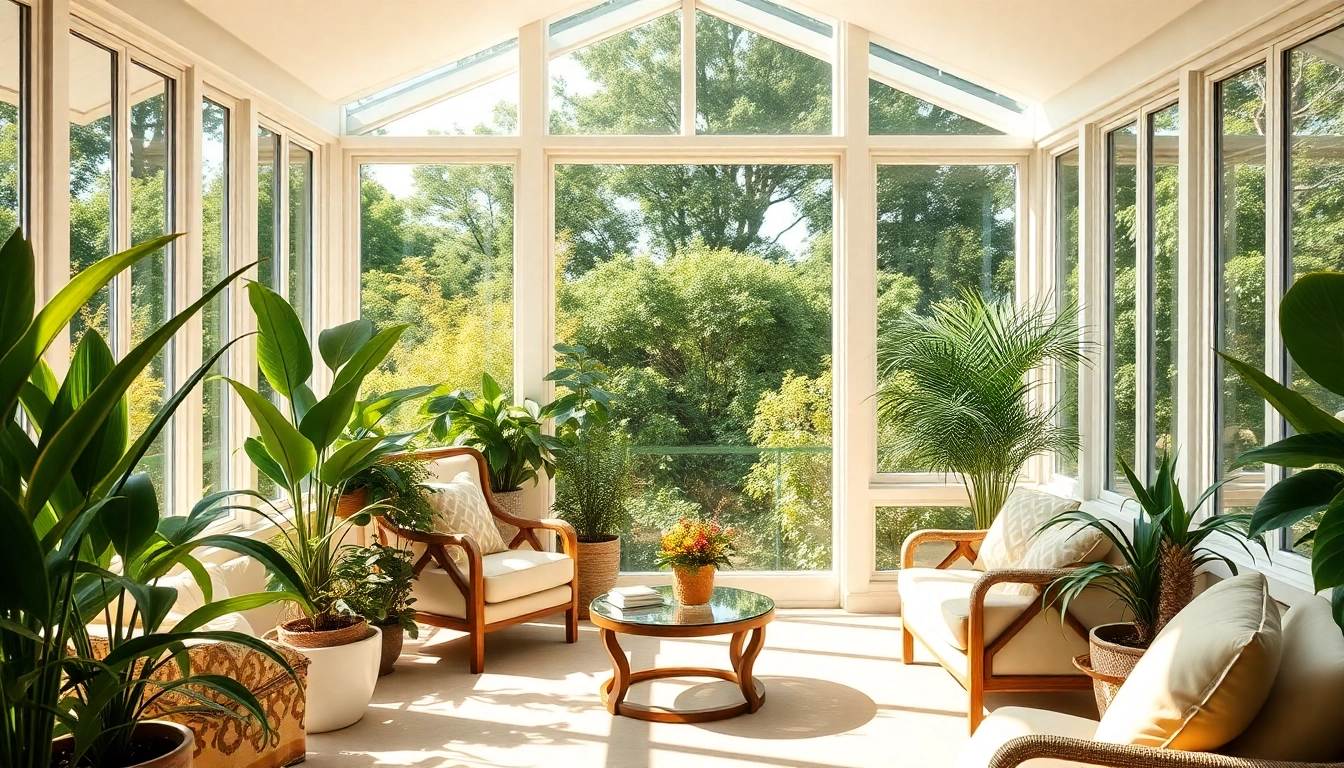
A sunroom, often known as a solarium or Florida room, is an extension of your home designed to bring the outdoors inside while providing a comfortable indoor environment. Typically featuring large windows or glass walls, sunrooms are designed to maximize natural light, allowing you to enjoy the sun's warm rays while being protected from the elements. The primary purpose is to create a peaceful retreat to relax, unwind, or entertain, giving you a functional space that merges indoor comfort with outdoor beauty. With a variety of designs and purposes, they can serve as anything from a reading nook to a dining area or even a greenhouse. For those looking to enhance their living space, a sunroom can be the perfect choice, blending functionality and aesthetic appeal.
Key Features of a Sunroom
Sunrooms come with unique features that set them apart. Some of the key characteristics include:
- Large Windows: Sunrooms are typically filled with oversized windows that facilitate an abundance of natural light.
- Glass Roofs: Many sunrooms include glass ceilings, which enhance the exposure to sunlight and provide a unique skylight effect.
- Climate Control: Modern designs often include heating and cooling options to make the space comfortable year-round.
- Versatile Design: Sunrooms can be designed in various styles, from traditional to contemporary, fitting seamlessly into any home architecture.
- Durable Materials: They are constructed with high-quality materials designed to withstand various weather conditions, ensuring longevity and performance.
Benefits of Creating a Sunroom
Building a sunroom has numerous advantages that make it an attractive home addition:
- Increased Home Value: A well-designed sunroom can significantly enhance the overall value of your property.
- Nature Connection: It provides a closer connection to nature, allowing for a serene spot to relax and enjoy the natural surroundings.
- Versatile Space: Sunrooms can serve multiple functionalities, from a cozy family gathering place to a bright workspace or even a home garden.
- Natural Light: Maximizing natural light can positively impact your mood and well-being, making spaces feel more inviting and spacious.
- Energy Efficiency: With proper design, sunrooms can help reduce energy costs through passive solar heating in winter and shading in summer, making them sustainable options for homes.
Choosing the Right Location for Your Sunroom
Ideal Areas for Sunroom Placement
Deciding where to place your sunroom is crucial for maximizing its benefits. Here are a few ideal locations:
- South-Facing: Sunrooms facing south capture the most sunlight throughout the day, making them warm and inviting.
- Near Gardens: Placing your sunroom close to gardens or landscaping helps integrate it into the surrounding natural beauty.
- Accessible Areas: Proximity to the kitchen or living room can enhance usability, making it easier to transition between spaces.
- Shielded Spots: Locations that are somewhat protected from harsh winds and weather can increase comfort and usability, allowing for year-round enjoyment.
Assessing Sunlight Exposure
Understanding sunlight exposure is essential to optimize the functionality of your sunroom. Consider the following:
- Season Changes: Sun paths shift with the seasons. Assess how the sun moves across your property throughout the year to choose the best spot for consistent light.
- Sunlight Angles: Low winter sun can provide warmth, while high summer sun can create excessive heat. Consider adjustable shading or window treatments to manage this effectively.
- Obstructions: Evaluate nearby trees, buildings, or landmarks that could cast shadows during different times of the day.
Considering Home Design Integration
Your sunroom should enhance your home’s aesthetic appeal and contribute to its architectural integrity. Here’s how to ensure excellent integration:
- Matching Styles: Choose a design style that complements your existing home style, whether traditional, modern, or rustic.
- Architectural Features: Incorporate rooflines, window styles, and materials that closely resemble your home to create a seamless transition.
- Color Schemes: Selecting a color palette that coordinates with your home can enhance the sunroom's appeal and cohesion.
Sunroom Design Ideas and Styles
Popular Design Trends for Sunroom
When it comes to designing your sunroom, several trends have emerged that capture both functionality and style:
- Minimalist Designs: Clean lines and minimal clutter focus on the views outside, creating a calming environment.
- Bohemian Touches: Incorporate vibrant colors, eclectic furnishings, and natural decor elements to create a relaxed bohemian vibe.
- Nature-Inspired Elements: Use wood accents, stone features, and plant integration to emphasize a connection with the outdoors.
- Multi-Functional Spaces: Optimize your sunroom by incorporating features like foldable furniture or areas dedicated to both relaxation and work.
Functional Layouts and Furnishings
To maximize your sunroom’s usability, consider these functional layouts:
- Cozy Nooks: Create intimate seating areas with comfortable chairs, sofas, and side tables that encourage conversation and relaxation.
- Open Spaces: Utilize spacious layouts that allow for movement and connectivity with adjoining areas of your home.
- Dining Areas: Designate sections for eating, whether it be casual dining with a small table or a larger family gathering space.
- Indoor Gardens: Consider using part of the sunroom as a greenhouse or indoor garden filled with vibrant plants.
Seasonal Decor for Your Sunroom
Your sunroom is a perfect place to showcase seasonal decor, creating a fresh atmosphere throughout the year. Here are some ideas:
- Spring: Use pastel colors, floral arrangements, and light fabrics to evoke the freshness of spring blooms.
- Summer: Incorporate bright colors and light materials; use outdoor fabrics for cushions and throws to bring the summer vibe indoors.
- Autumn: Decorate with warm tones, natural elements like pumpkins, and cozy blankets for a seasonal feel.
- Winter: Use soft textures, warm lighting, and natural greenery to create a serene, wintery retreat.
Practical Considerations When Building a Sunroom
Budgeting for Your Sunroom Project
Establishing a budget for your sunroom project is critical to ensure you meet your goals without overspending. Consider these expenses:
- Construction Costs: Includes materials, labor, and any additional foundation work needed.
- Permitting and Regulations: Account for local building permits or zone regulations in your planning.
- Interior Furnishing: Choose decor and furniture that fit your budget while matching your aesthetic preferences.
Permits and Regulations for Sunroom
Before beginning your sunroom project, it's crucial to understand local regulations. These may include:
- Building Codes: Check local ordinances regarding structural integrity and design standards.
- Permits: Most areas require building permits for new structures. This often involves submitting plans and undergoing inspections.
- Homeowners Association (HOA) Guidelines: If you belong to an HOA, check any specific rules or aesthetic guidelines that apply to home additions.
Hiring Professionals vs. DIY for Sunroom
Choosing between hiring professionals or taking on a DIY approach will largely depend on your expertise and comfort level:
- Hiring Professionals: Experts can ensure that your sunroom meets structural and aesthetic requirements, saving potential headaches.
- DIY Approach: If you are skilled at construction, this route could save costs but comes with the challenges of design and execution.
- Consulting Designers: Even with a DIY build, consulting an experienced designer can provide insight into making functional and beautiful choices.
Maintenance Tips for Your Sunroom
Cleaning and Care for Sunroom Materials
Regular maintenance is essential to keeping your sunroom in good condition. Here are some care tips:
- Window Cleaning: Use non-abrasive cleaners to maintain the clarity of your glass windows, preventing buildup and maintaining views.
- Material Care: Protect wooden frames from moisture by applying sealants regularly, while metal frames may require rust protection.
- Seasonal Inspections: Regularly check for leaks, seals, or signs of wear, particularly after extreme weather events.
Keeping Your Sunroom Comfortable Year-Round
To maintain a conducive environment in your sunroom, consider these tips:
- Insulation: Ensure adequate insulation is installed in walls and roofs to make the space comfortable in winter.
- Heating and Cooling: Use space heaters and ceiling fans or integrate HVAC systems for temperature management.
- Shading Solutions: Use blinds, curtains, or modern window films to manage sunlight exposure during peak hours and seasons.
Upgrading Features in Your Sunroom
As trends in home design evolve, you may consider upgrading features in your sunroom:
- Smart Technology: Integrate smart thermostats and lighting systems for enhanced convenience and energy efficiency.
- Eco-Friendly Materials: Use sustainable building materials and energy-efficient windows to minimize the environmental impact.
- Furniture Upgrades: Invest in comfortable, stylish furniture that complements your decor for improved usability and comfort.
Frequently Asked Questions
What is a sunroom used for?
A sunroom provides a bright, outdoor-like space to relax, entertain, or even work while protecting you from the elements.
How much does a sunroom cost?
The cost of a sunroom can vary widely based on size and materials, typically ranging from $20,000 to over $100,000.
Do I need a permit for a sunroom?
Yes, most jurisdictions require a building permit for a sunroom, as it is considered an extension of your home.
Can I use my sunroom year-round?
With proper insulation and climate control systems, many sunrooms can be used comfortably throughout the year.
How do I maintain my sunroom?
Regular cleaning of windows, inspections of structural elements, and seasonal maintenance of heating and cooling systems are essential for upkeep.